

Sku: ddf345

Stock: Sold out
Product details, specifications, documents, and related products are available from the catalog record. Learn more
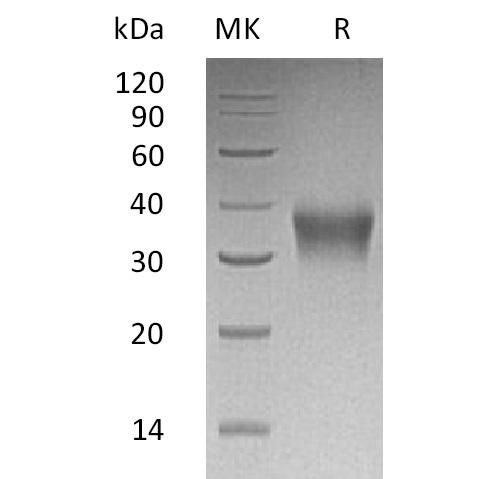
Background:Erythropoietin (EPO) is a glycoprotein hormone that is principally known for its role in erythropoiesis, where it is responsible for stimulating proliferation and differentiation of erythroid progenitor cells. Erythropoietin is a member of the EPO/TPO family. It is a secreted, glycosylated cytokine composed of four alpha helical bundles. The differentiation of CFU-E (Colony Forming Unit-Erythroid) cells into erythrocytes can only be accomplished in the presence of EPO. Physiological levels of EPO in adult mammals are maintained primarily by the kidneys, whereas levels in fetal or neonatal mammals are maintained by the liver.
Kit Name | Cat.No. | Size |
UcallM® FECTMAX mRNA Transfection Reagent | E1092 | 100 μL |
ucallm
Emailinfo@mail.ucallm.com
Phone+(1)-866-986-9598
WeChat / IMUcallm-Tech
HoursMonday-Friday 09:00-18:00 CST
Technical answers curated for this product by Ucallm support.
ww
2.2 Genome & Classification
The S. suis genome is a circular chromosome of approximately 2.0–2.1 Mb. Through multilocus sequence typing (MLST), over 4,200 sequence types (STs) have been identified to date, reflecting the extremely high genetic variability of this bacterium, which complicates the development of broadly protective vaccines. S. suis produces over 70 virulence factors, several of which have been extensively studied as potential vaccine targets.
2.3 What Are S. suis Virulence Factors?
The virulence factors of S. suis primarily include:
Virulence Factor | Main Function |
Capsular polysaccharide (CPS) | The most important virulence factor; evades phagocytosis by masking immunogenic surface components; CPS expression is dynamically regulated |
Suilysin (SLY) | Secreted cholesterol-dependent cytotoxin; facilitates bacterial invasion, dissemination, and blood-brain barrier disruption |
Extracellular protein factor (EF) | Immunomodulatory protein involved in immune evasion |
Two-component system Ihk/Irr | Regulates anti-phagocytic capacity and virulence; inhibits macrophage actin polymerization via the PepO axis |
PepO (aminopeptidase) | Activates p38 and ERK1/2 pathways via TLR2, inhibiting actin polymerization and phagocytosis |
ShgH | Dual histidine/glutamine transporter; involved in nutrient acquisition, anti-phagocytosis, and biofilm modulation |
Glycosyl hydrolase GhA | Promotes bacterial adhesion, blood survival, and anti-phagocytic capacity |
STK (Ser/Thr kinase) | Regulates acid resistance and virulence via phosphorylation of FadR |
2.3.1 Dynamic Regulation of Capsular Polysaccharide (CPS)
QA223
Sku: ddf345

Sku: A20003
Sku: A3002
Sku: A3006
Sku: 2334243